
The Greatest Zelda Game?
[Retro Review] Returning to Twilight Princess

Nostalgia is a kind of spiritual homesickness and has been described as the pain associated with the desire to return to one’s place of origin; The Legend Of Zelda, as far as gaming goes, is that place of origin for me.
Nothing will kill your nostalgia more quickly than retro gaming. In my years of re-establishing my childhood library of games and building my collection I’ve found nostalgia to be an increasingly fleeting feeling. When you first take those tentative steps back to the past, memories rush back and fond reminisces of old digital haunts prompt a smile but like any feeling, these sensations pass and what you’re left with at the end of the day is an old game you like with much of that time-tempered fondness replaced with a more realistic appreciation for an inevitably flawed product. The Legend Of Zelda is the one exception for me.
I still get a funny feeling in my stomach when Link acquires the Master Sword and that all too familiar music plays, virtually unchanged since A Link To The Past, I’m still stopped dead in my tracks, paralysed by memory when a random video in my algorithm decides to include Ocarina Of Time music in its background; I can still picture my haggard old Gamecube controller and the sheets of zeldadungeon.net walkthroughs sitting next to me while I play. My nostalgia and love for The Legend Of Zelda lives on.
As early as February, when I last played through Ocarina Of Time, I’d been planning to review a 3D Zelda game but I wanted to choose the right time and the right title but most importantly: I needed an actual audience who would read what I wrote. In the just shy of 11 months since I started this Substack I’ve been fortunate and diligent enough to attract over 200 of you from across the globe. The time has come.
In my time on this platform I’ve seen a lot of love for Twilight Princess so today’s review: perhaps the final retro review of 2025, isn’t just about me revisiting a game I haven’t played since 2009 when I was still a kid, I’m writing this also to take you on a trip down memory lane and to celebrate a 3D Zelda that rivals even Ocarina In Time in its positive remembrance.
Generations Of Courage
Let’s begin with a look at the Hyrule Historia.
I’m sure any big Zelda fans reading are familiar with this tome but for those who are newer to the series… or have better things to do than read about Zelda, the Hyrule Historia is essentially an art-book, a look behind the scenes and a lore compilation all at once. Most importantly, Hyrule Historia includes an official The Legend Of Zelda timeline which put decades of debate to bed.
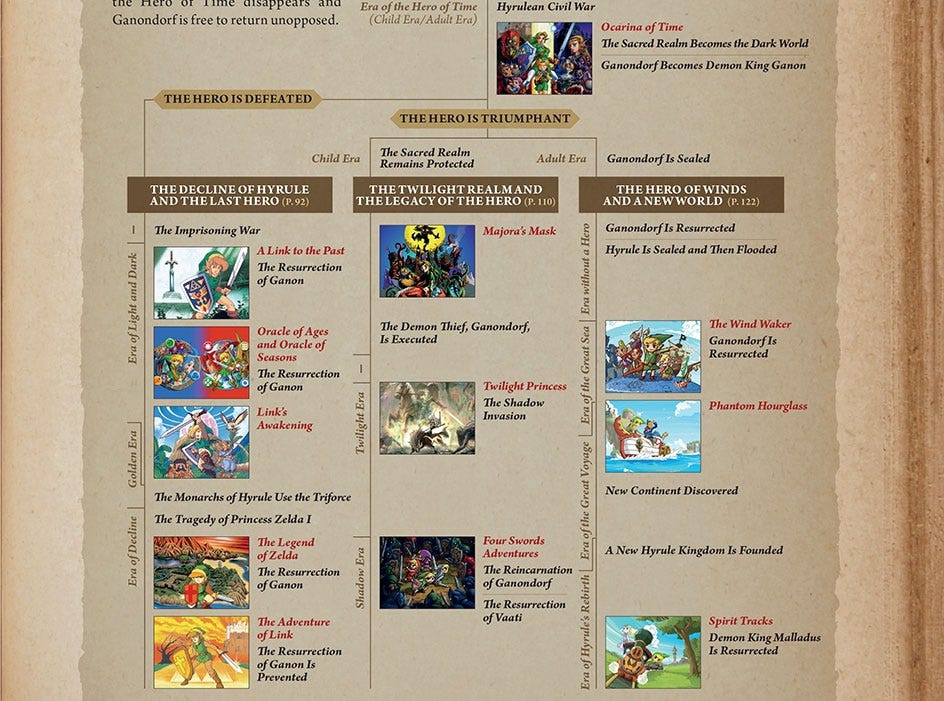
The basic gist of the Zelda timeline is that 2011’s Skyward Sword is the very beginning of the series chronologically, Minish Cap and Four Swords were set one after the other but Ocarina Of Time: #4 on the timeline is where things get interesting. Avoiding spoilers as best I can, the events of Ocarina Of Time mean that 3 distinct timelines are created: one where Adult Link defeats Ganondorf then vanishes from history, one where the Hero Of Time is killed and finally, the timeline of Twilight Princess: one where Child Link is returned to his own timeline and warns Princess Zelda and the rest of the Hyrule royals what’s coming if they don’t imprison Ganondorf immediately.
Nintendo have stated that the timeline is only a rough guide and that contradictions are there to fuel debate and to not restrict the developers; there are several such contradictions in Twilight Princess, especially regarding Hyrule’s geography. Some fans dispute even this official timeline and place some of the games elsewhere, so don’t take it all as gospel, pretty much every game after Ocarina Of Time is still debated. This is especially the case with the newer titles, which spit in the face of Zelda canon in many ways.
I’ve gone on this big preamble because the spectre of Ocarina Of Time haunts Twilight Princess both positively and negatively and it’s arguably a truer sequel to that game than Majora’s Mask was.
Sadness As Dusk Falls
Twilight Princess is set a little over a century after Ocarina Of Time in the Child Timeline: a timeline where the events of Ocarina never happened, the Hero Of Time’s deeds were erased from history and Hyrule’s throne was never usurped by Ganondorf. The game begins in the Ordona province’s Ordon Village: a location roughly analogous to the old Kokiri Forest and not actually a part of the Kingdom of Hyrule. Ordon is a sleepy, insular little hamlet where the people grow pumpkins, make goat cheese and fish the waters for good catch, trading these for whatever they need from the outside. It’s in this rural village that the Hero of Twilight: our new Link comes of age.
The Hero of Twilight is probably the most fleshed-out Link in the series. This Link has a real personality despite his characteristic mute characterisation, he often wears a courageous smile in times where hope has run out, he’s got an implied girlfriend in Ilia: the Ordon mayor’s daughter and in combat he’s happy to perform a cocky sword flourish after dispatching the enemy. The Hero of Twilight isn’t the strongest Link, neither is he the smartest but he just might be the coolest.
Link in Twilight Princess embodies reckless courage, righteous fury and gentle kindness more so than any other hero in the series.
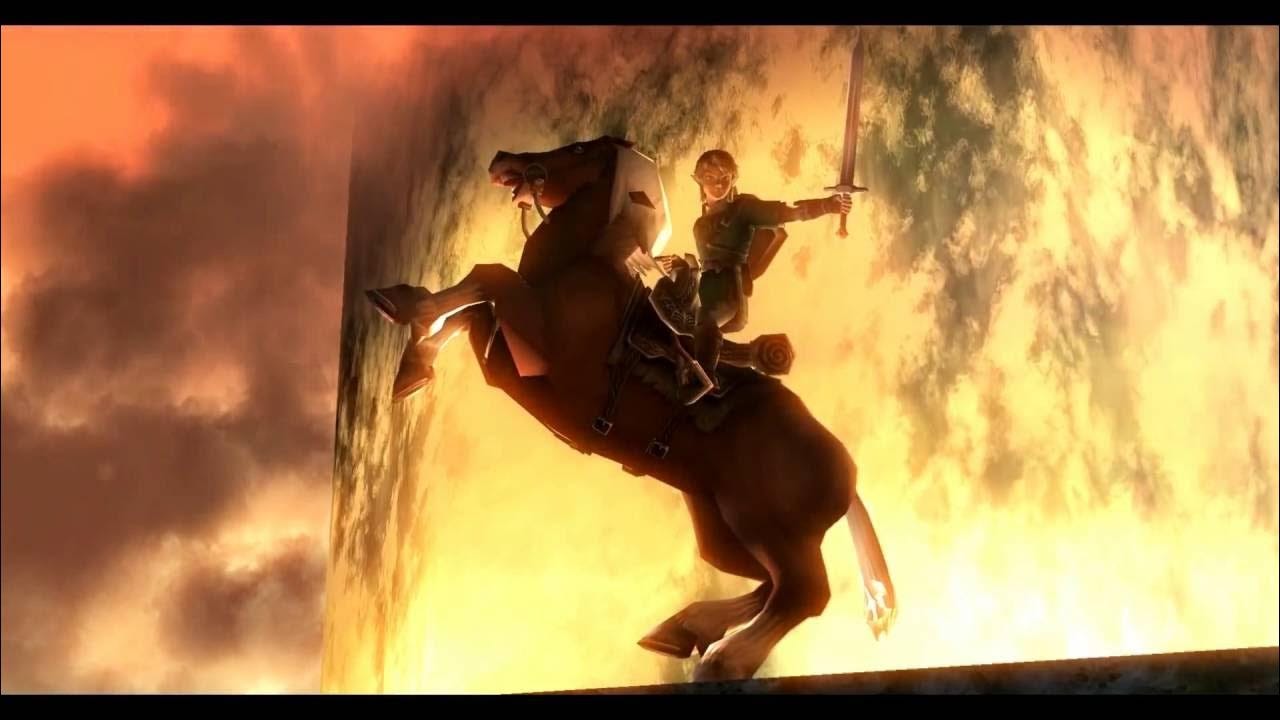
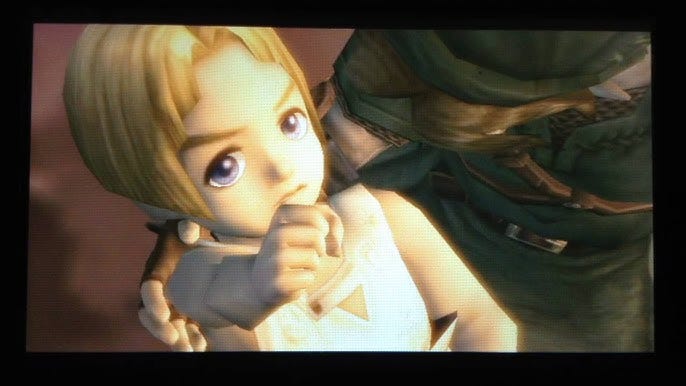
As you might have guessed, the idyllic peace of Ordon Village is quickly shattered when a pack of monsters ride in, bash Link over the head, steal his girl, kidnap the village youngsters and summon a cloud of Twilight across the province, blanketing it in darkness and turning our hero into a wolf. With the help of a charismatic imp named Midna: a capricious character but seemingly on your side, it’s then up to Link to free the regions of Hyrule from invading forces from the Twilight realm and collect the pieces of the Fused Shadow.
Twilight Princess is yet another Nintendo game of the era that took on a darker tone and also opted for the light world/dark world split, a game structure pioneered by A Link To The Past back on the SNES and reused in Ocarina Of Time (albeit with a different spin) Metroid Prime 2: Echoes and more. Fans of the original The Legend Of Zelda on the NES were fast approaching 30 by the time Twilight Princess came out in 2006 and had been asking Nintendo for a more mature Zelda since the Gamecube’s infamous Zelda demo at Spaceworld 2000.
This prayer went unanswered with 2002’s 3D Zelda: The Wind Waker but in 2006 this vision was finally realised… in a cross-generation Gamecube game and Wii launch title. If you were a Wii-U fan, this will be a familiar story.
In the UK, Twilight Princess is rated PEGI 12 and a T for Teen by the ESRB: the highest age rating for a Zelda game in the series to this day, owing to Twilight’s dark and disturbing imagery, blood and even some mild nudity. On top of these things, Twilight Princess earns that rating by having a story with much more going on and touches on some relatively challenging themes.
Magic As The Sun Sets
As I mentioned in the previous section, Twilight Princess launched both at the end of the Gamecube’s life and as a launch Wii Title. There are 3 main version of this game today: the Gamecube version, the Wii port and Twilight Princess HD for the Wii-U. I grew up with the Gamecube version but I decided to play on the Wii because that’s the version I have on hand… and for reasons of budget.
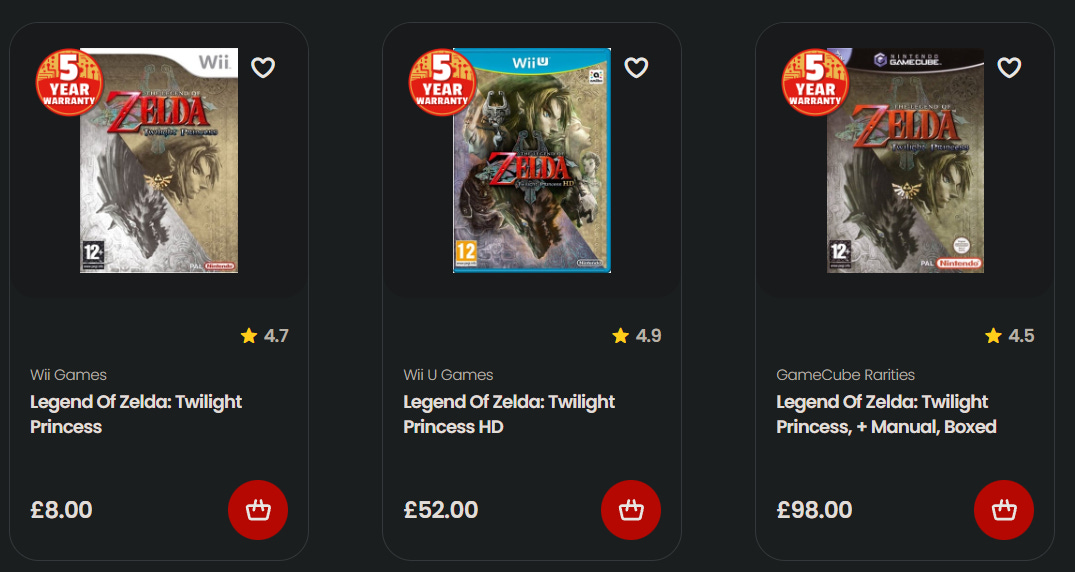
I’ve never played Twilight HD so I can’t speak for it but the Gamecube and Wii were extremely similar in terms of hardware so the graphical distance between them is miniscule, this is great news because Twilight Princess is a stunningly beautiful game, even when compared to the Xbox 360’s early titles which had already launched a year ago by the time Twilight Princess came out.
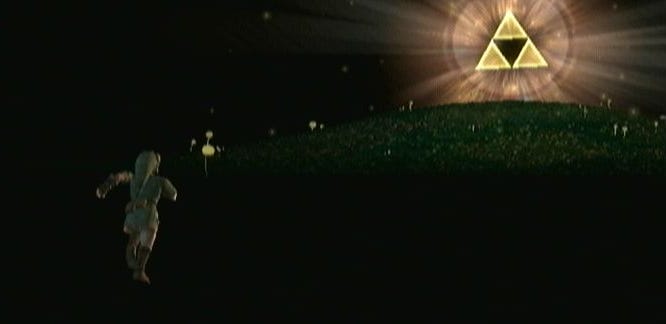
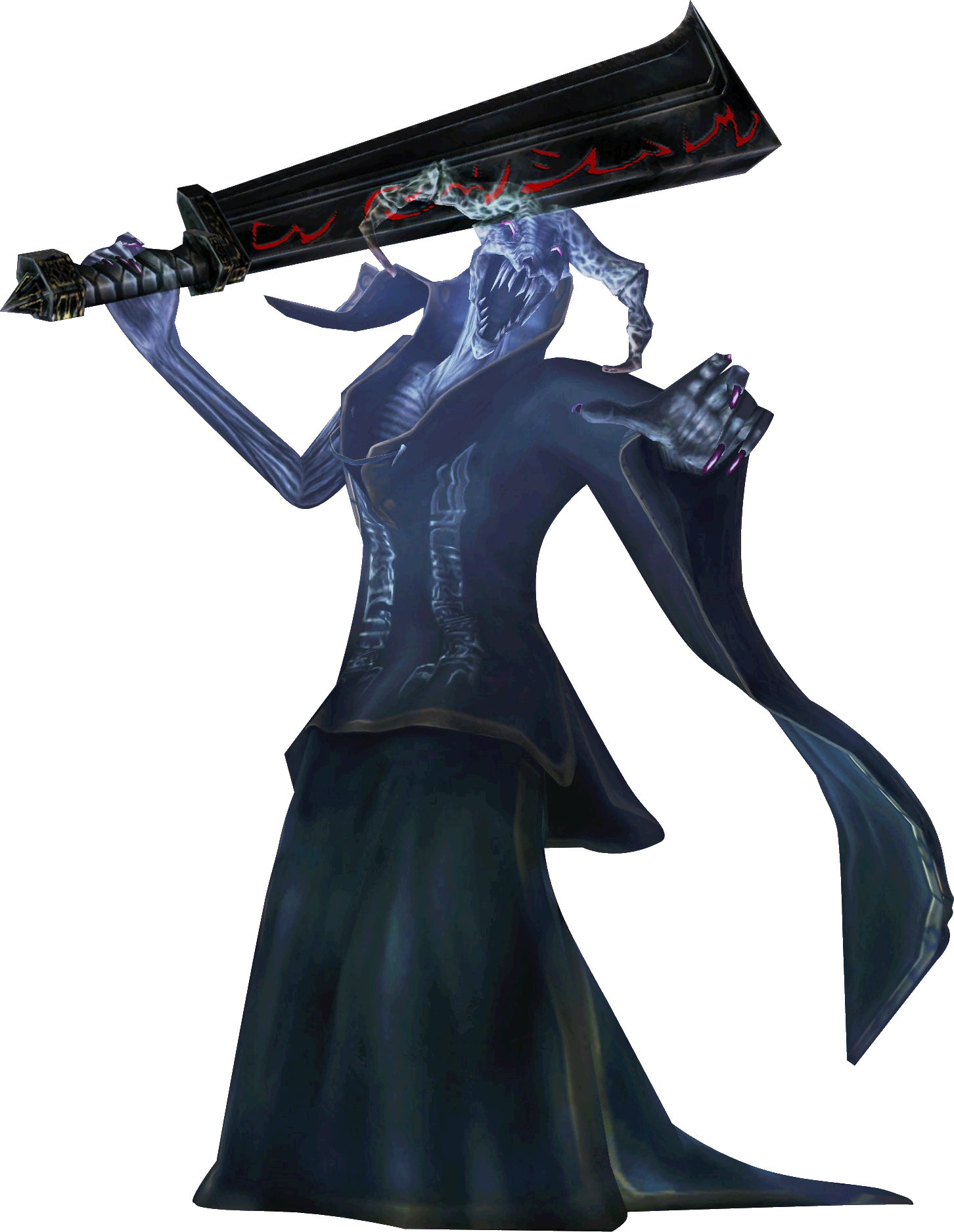
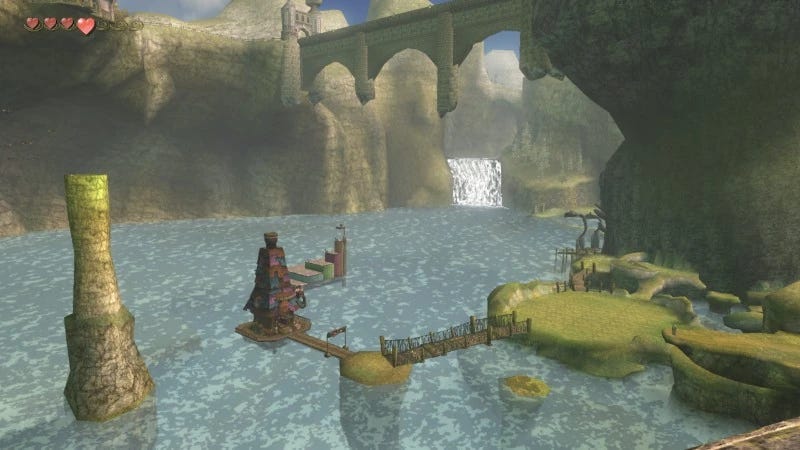
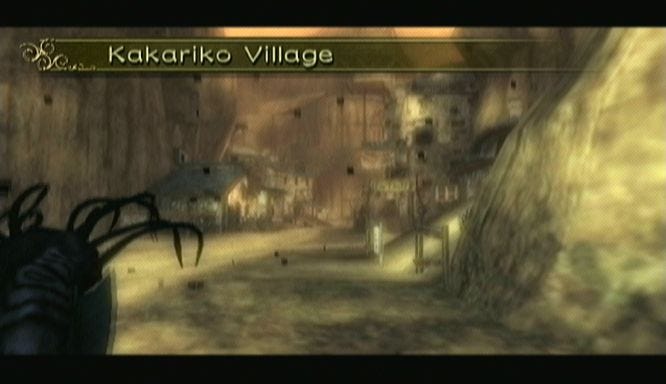
Twilight Princess is often labelled the ‘edgy’ Zelda or the ‘emo’ Zelda but truthfully? I think the darkness of its visuals and art style are overstated, there are still plenty of areas full of charm, whimsy and colour even if it is admittedly lacking in most.
It’s hard to truly the capture the visual beauty of Twilight Princess in screenshots given the Wii and Gamecube’s pitiful resolutions and the rarity of both Wii-U owners and those among them who also owned Twilight HD but this game’s art-style feels halfway between Peter Jackson’s vision of Tolkien and Majora’s Mask. Princess Zelda herself wields a sword, Link’s tunic seems to have a layer of chainmail beneath it, Hyrule Field takes on a more rugged landscape than past entries, the castle seems impossibly tall and especially fortified, Bokoblins are more orc-like than their traditional porcine appearance; Peter Jackson’s The Lord of the Rings trilogy and its Minas Tirith undoubtedly inspired many elements of Twilight’s presentation.
I’ve always felt that The Legend of Zelda’s art-style began very European but became more Japanese over time and that Twilight Princess might have been the midway point in that shift which eventually culminated in the oriental dragons and feudal Japanese-style Kakariko Village of the modern games.
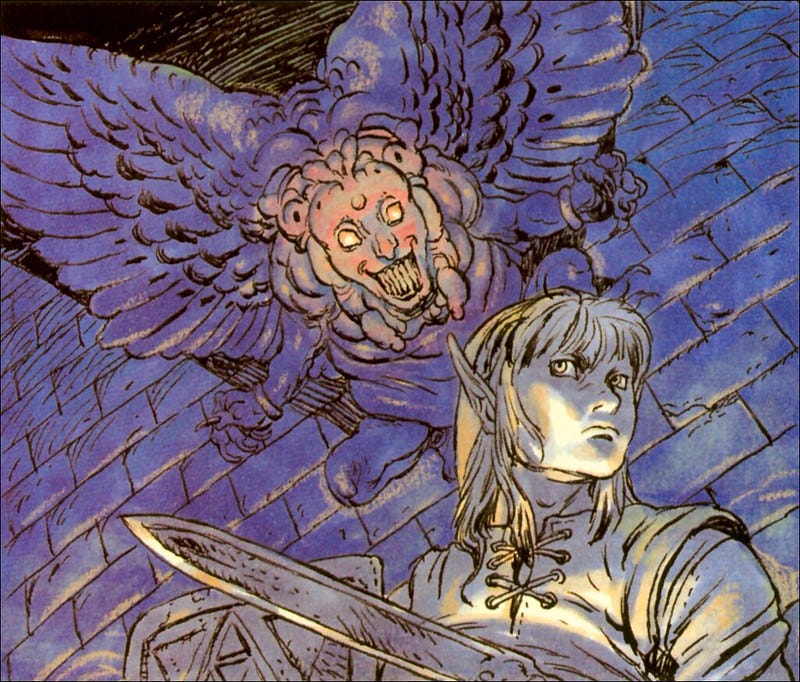
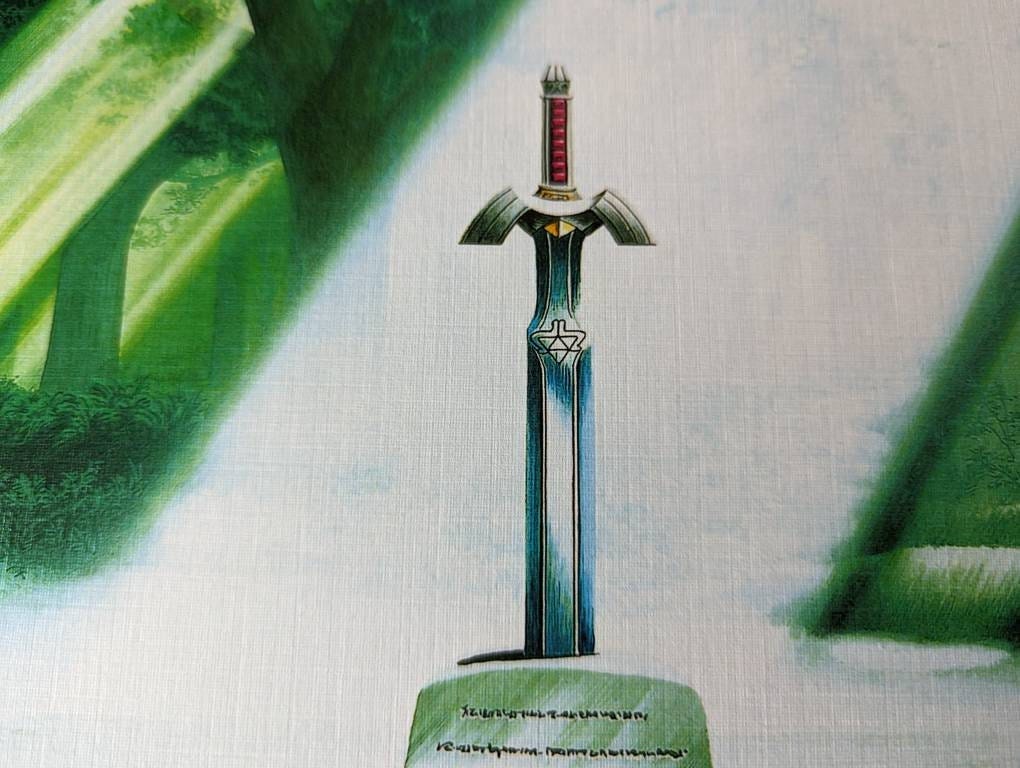
Twilight Princess strikes the right balance between myth and history and East and West. The modern Zelda games are devoid of any magic, those games’ Hyrule is littered with robots, neon lights and energy swords but on the other hand the older Zelda games contain very little to suggest they are games of Japanese origin. Twilight Princess has imposing castles, laser shooting obelisks and European knights but also sumo wrestling, hot springs and guardian spirits to appease, it acknowledges the series’ roots and inspirations while celebrating the team’s own artistic heritage.
Moving away from the visual sphere now, Twilight Princess’s soundtrack is a mesmerising mix of old favourites and new classics, with some of these pieces of music staying with me long after I first played the game years ago.
Twilight Princess’s version of the Hyrule Field theme is among the most popular in the series and it’s not difficult to see why, it’s an upbeat, high-energy song that makes the frequent trips across mostly-barren terrain feel a lot more meaningful. After a while it transforms into something a bit more urgent, as if the game is telling you you’ve been messing about looking for Golden Bugs too long when Hyrule is still in peril.
I have extraordinarily vivid memories of entering Gerudo Desert for the first time as a kid. I was under a blanket in the caravan where I usually played my Gamecube and something about the haunted feeling of this song and the endless expanse of desert stretching out before me: far more than I was used to from Ocarina of Time, just completely pulled me into the game world. I was quite a fidgety child, never able to concentrate that well or to sit still but the Gerudo Desert begs to be explored and I spent hours doing exactly that, long after I’d finished the local dungeon, all to the tune of this catchy, mysterious beat.
Twilight Princess possesses what is probably the most ambitious narrative in the whole franchise and emotional moments are wonderfully punctuated where necessary.
Bearing The Torch
Twilight Princess’s gameplay is split between playing as normal Link where you solve puzzles, engage in swordplay and use dungeon items like a typical Zelda adventure and playing as Wolf Link where the player can dig holes, talk to animals and follow scent trails; Midna takes a greater role in gameplay when you’re playing as Wolf Link, and assists with platforming.
Unfortunately, Wolf Link is an entirely wasted concept devoid of interesting gameplay and Wolf sections largely cease to exist about a third into the game.
The story justification for Wolf Link is that the Triforce of Courage protects the hero from becoming a spirit when under Twilight’s blanket like everyone else, instead making him a divine beast. I suspect the developers once intended for the first third of the game to be played entirely in Wolf form, like the first half of Ocarina of Time where you play as Child Link but they quickly backpedalled once they realised that the Wolf just isn’t very fun to play as. You acquire no upgrades for Wolf Link and use no items, Wolf Link’s moves are largely terrible aside from a homing area of effect attack assisted by Midna and the talking to animals power is used only for hints, comedy and one story moment. It doesn’t help that your primary objective when playing as the Wolf is the tedious gathering of Tears of Light: a laborious fetch quest in every major region that serves as a vehicle for the player learning the lay of the land and once you collect all of these tears, Twilight is lifted and you can return to your human form and revisit those essential locations you’ve already explored as Wolf Link.
Unlockable powers for Wolf Link or perhaps some wolf-specific items could have made playing as him less dull and injected some much needed utility into the transformation later in the game but Zelda fans don’t buy a Zelda game to gallivant about as a wild animal, so perhaps it was for the best that he remained somewhat half-baked and it makes those reversions back to your human form after collecting Tears of Light all the more satisfying.
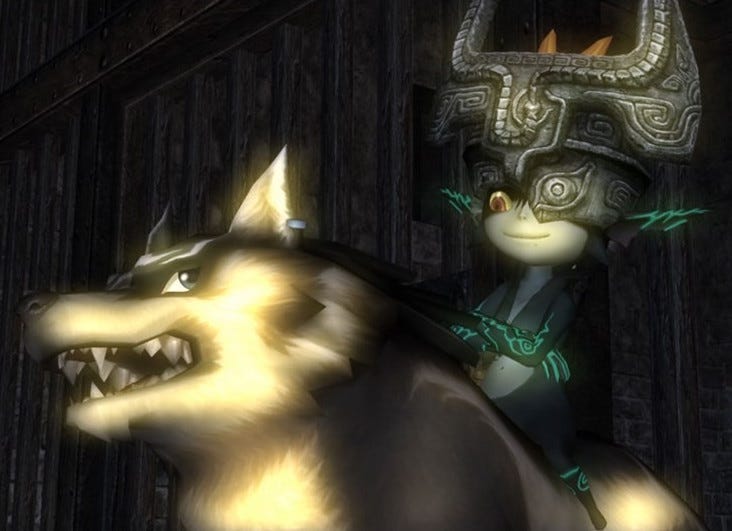
While the wolf gimmick falls flat, Twilight Princess absolutely nails the gameplay in every other area that matters; both the swordplay and dungeons are the best in the entire 3D Zelda series.
My favourites include the Arbiter’s Grounds: a long-abandoned ruin haunted with the spirits of the executed, the Snowpeak Ruins: a chilly stone manor deep in the mountains inhabited by a strange couple and I also love the Temple of Time: a revisit to the iconic location… with a bit of a twist.
Throughout the game, Link summons a phantom knight: the Hero’s Shade by howling some very familiar songs at Howling Stones scattered across the map and when you seek out the shade in human form this spectral swordsman teaches you all sorts of tricks. Lethal finishing moves, slices to the head while flipping, an improved jump attack, all sorts, the wealth of options available to the player, many of the dungeon items being straight-up weapons and the variety of armoured foes give Twilight Princess what is arguably the best combat in the series.
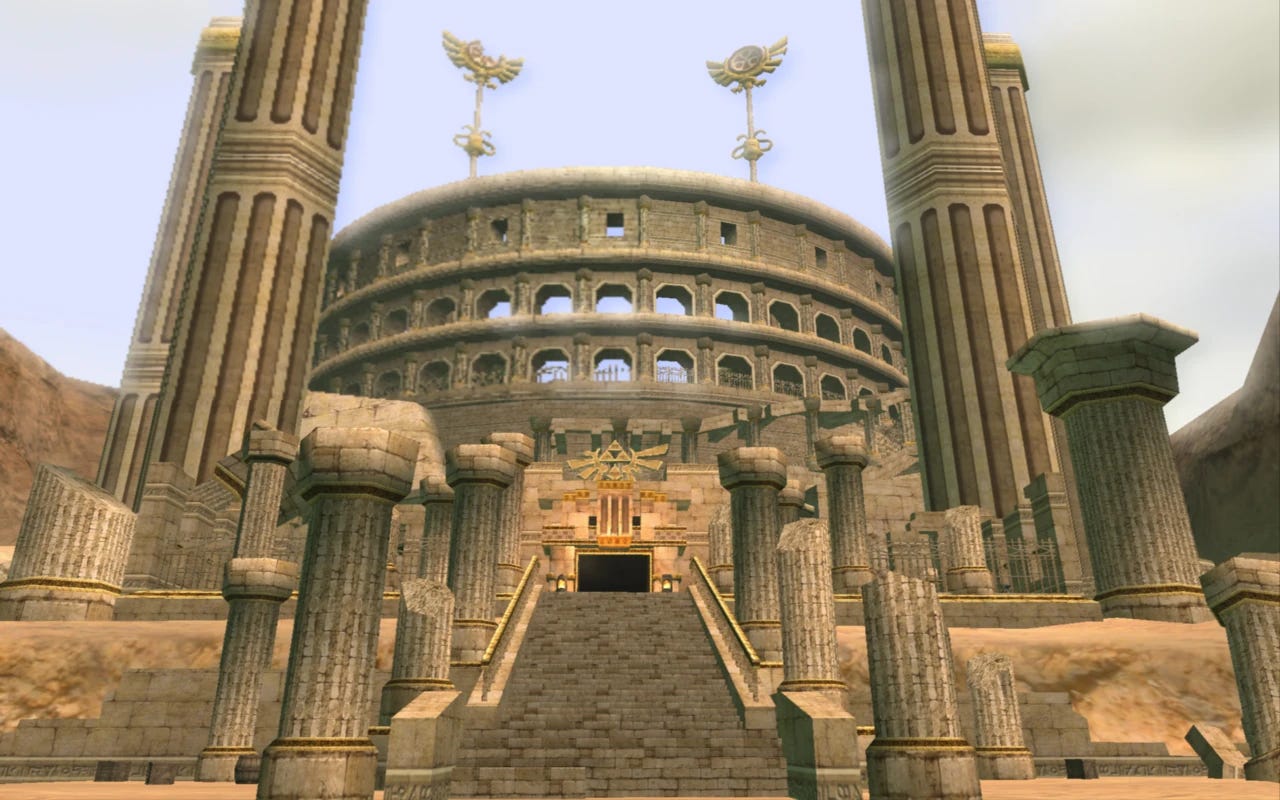
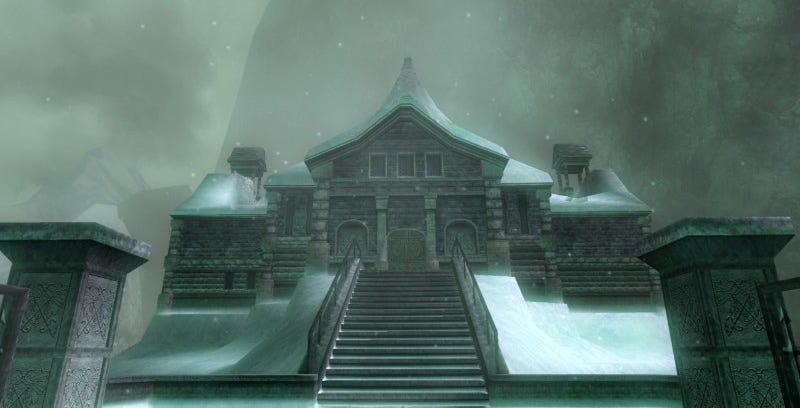
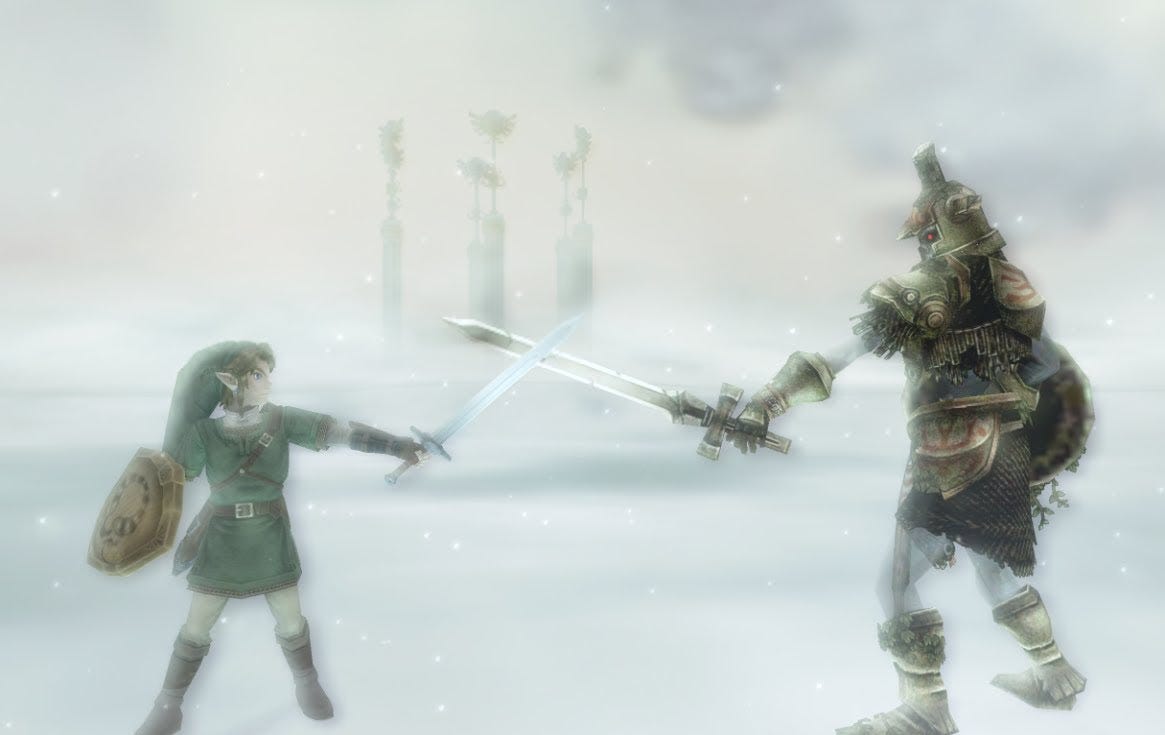
It’s not all perfect. Twilight Princess includes a lot of dungeon items that barely provide any utility outside of their respective dungeons or aren’t used ever again after the fact. The worst examples of this have to be the Ball And Chain from Snowpeak Ruins, which is never used again outside of combat if the player so chooses and the Dominion Rod from the Temple Of Time which is used to access the next dungeon and a couple of collectibles then gets binned. It’s a far cry from A Link To The Past and earlier Zelda games where virtually every item made your travels across Hyrule a little less perilous.
Twilight Princess on the Wii is not the game I remember, or rather… it’s the opposite to what I remember because the entire game is flipped. Link is right handed instead of left handed, cutscenes are mirrored and the map gets the same treatment too.
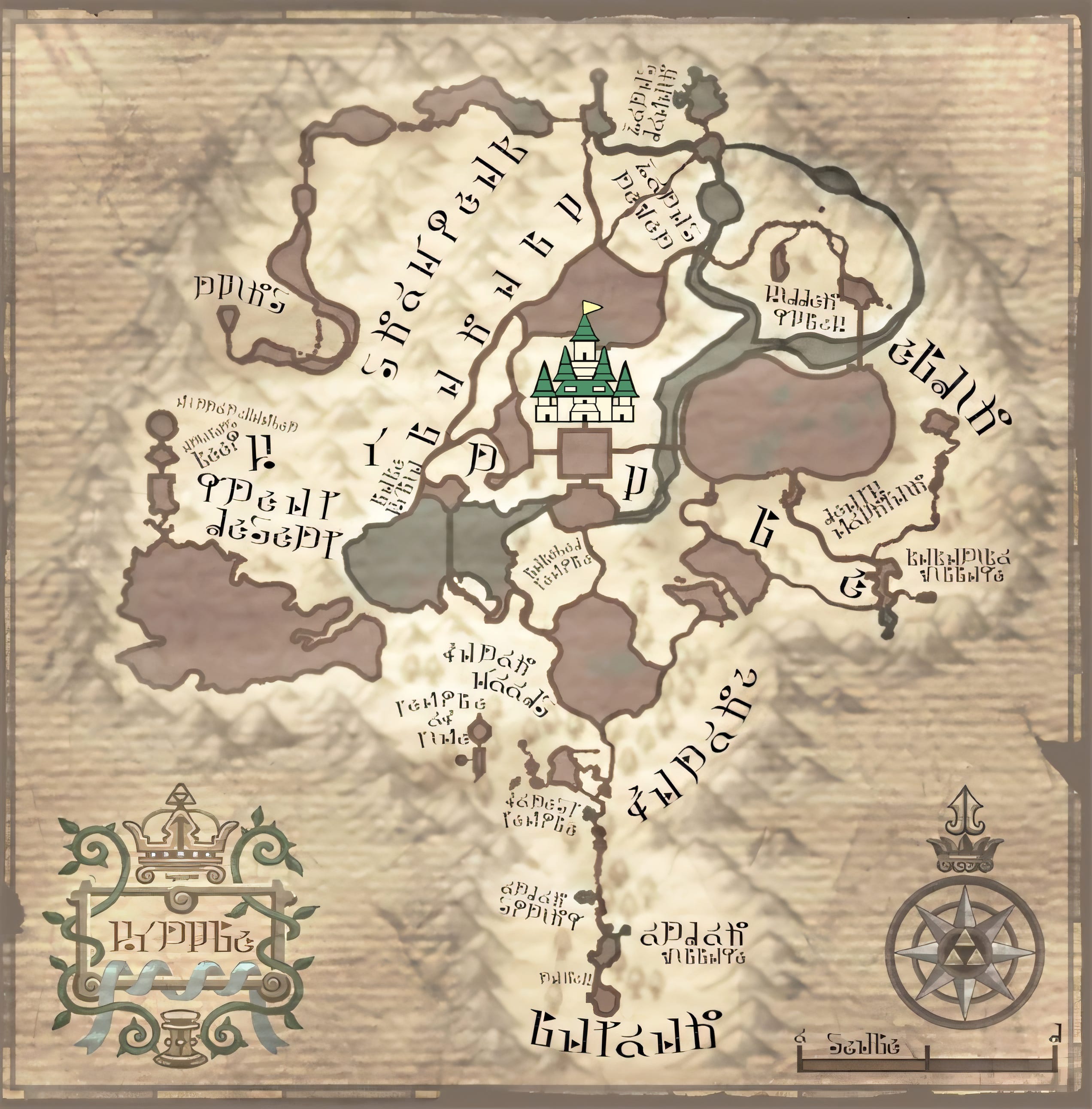
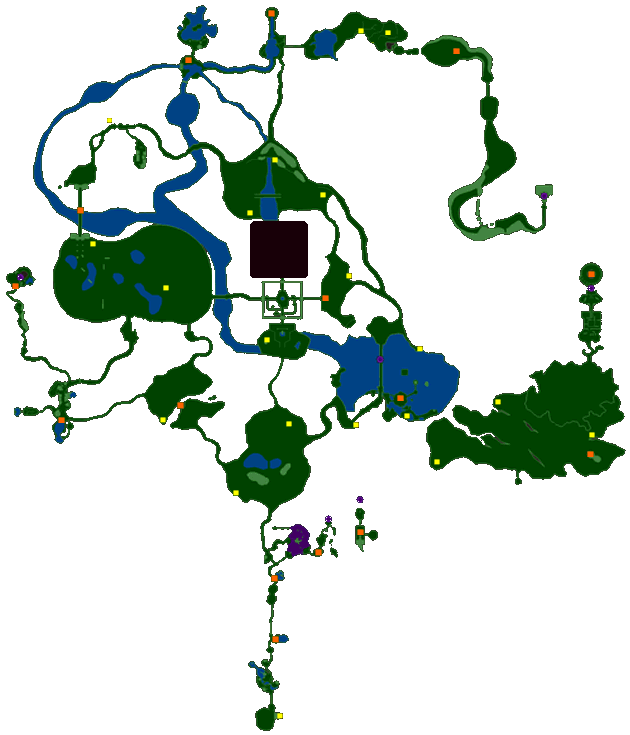
Even modern Zelda fans will know from Breath of the Wild and Tears of the Kingdom that the Gerudo Desert is supposed to be in the West and Death Mountain in the East, this isn’t really a complaint but it did throw me off.
What is a complaint is that Twilight Princess’s vision of Hyrule is probably my least favourite in the 3D series, not because of any map-mirroring or version differences or poor locations: every province in this game has something striking and memorable about it and each is enjoyable to explore, but rather because this Hyrule is quite barren and locations seem to be awkwardly stitched together instead of being integrated into a cohesive, immersive world.
The mountains of Peak Province are accessed through a random, person-sized tunnel in Zora’s Domain, the Gerudo Desert can only be accessed through fast-travel and from the Lake Hylia cannon, Hyrule Field is split into a massive 5 zones and yet it has just as little going on in it as Ocarina of Time. The map is huge for the sake of scale and not for any gameplay or design benefit, there is still little to discover on Hyrule Field.
You revisit the woods in Ordona several times in Twilight Princess and each time they find a more convoluted way for you to gain entry to a previously inaccessible part of the woods. Something I’ve always loved about 3D Zelda is how they let your imagination wander: modern Zelda is full of ruins all with a story to tell, Ocarina Of Time’s temples are all visible as Child Link and in A Link To The Past, you get a little taste of the Dark World on Death Mountain before entering it proper, Twilight Princess doesn’t do this, instead it magics up new areas from empty space on the map and contrives a method of access. Instead of giving the player an ‘a-ha’ moment when they work out where, for example, the Hookshot is supposed to be used in the Sacred Forest Meadow in Ocarina, Twilight doesn’t allow the player to experience that sense of discovery.
I’ve been ragging on Twilight Princess a bit in this section but I’d like to finish off by defending the Wii version.
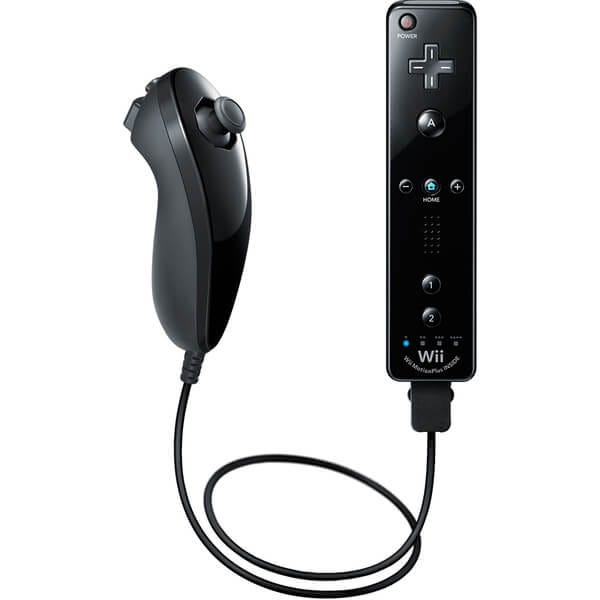
The ‘waggle controls’ complaint and the general hatred for controlling games on the Nintendo Wii is one of the most tired and overstated complaints in gaming; the sensor bar is much better placed atop the screen and not the bottom, Nintendo should have specified this in the console’s instructions and I doubt most Wii owners ever correctly calibrated the thing for the correct distance they’d be sitting or standing from the TV. I’m not saying that to beat you over the head with my supreme intellect, I’m saying that because this was my experience of the Wii back when it was new and it took me until the early 2020’s to realise that I had been using the console all wrong and that Nintendo incorrectly advised us on how to do that.
Getting back on track, I’ll admit the lack of a second stick does make the camera finnicky in Twilight Wii, essentially setting you back to Nintendo 64 controls and the fishing minigame is horrific in this version but using the nunchuk to shield bash and physically swinging the sword does add something to the experience and should be experienced by fans of the game even if I feel the Wii version to be inferior to the one on Gamecube.
A Game Of Realms
WARNING: This section will spoil the entirety of the game as I review the plot and its characters, Twilight Princess’s story is its most outstanding feature so if you plan to play the game in-future, I recommend skipping ahead.
Twilight Princess tells the series’ most complex and gripping narrative but the final act is completely botched by an overreliance on tradition and the ham-fisted insertion of a resurrected Ganondorf when he really ought to have been excluded.
The plot of Twilight Princess is this: after the child Hero of Time warns Hyrule’s royal family of Ganondorf’s plot the Demon Thief is captured and sequestered away to the Arbiter’s Grounds where the sages decide to execute him. This execution goes horribly wrong where in one of the most badass scenes in the entire series, Ganondorf uses the Triforce of Power to survive a fatal sword wound and breaks free of his shackles, murdering a sage in the process, in a moment of desperation the remaining use the Mirror of Twilight: the only road into that realm from Hyrule, to seal the villain away, kicking the ball down the road for later.
Still mortally wounded, Ganondorf assumes a kind of phantom form in the Twilight Realm and bides his time; the Twili are the progeny of a group of dark sorcerers banished from the world of light by the goddesses for their attempt to steal the Triforce aeons ago, so their lingering resentment provides ample fuel for his recovery.
After a century in waiting, Ganondorf can finally make his move when Zant is overcome with jealous fury as Midna (who is the titular Twilight Princess) takes power in the Twilight Realm, Ganondorf approaches Zant and offers to grant his deepest desires should he be allowed to take up residence in Zant’s soul, of course, the covetous bastard accepts.
Midna is turned into an imp and overthrown by Zant, destined to ignite millions of young Gen Z’s taste in goth ladies once she’s reverted back to normal at the end of the game, meanwhile Ganondorf’s residence within Zant grants the usurper king potent dark magic and allows him to rip open portals to Hyrule and to invade the world of light as vengeance for the Twili’s banishment in a bygone age.
On the surface, it just sounds like a smashing together of Ocarina’s plot with A Link to the Past but the way this narrative is delivered and the hurdles along the way are much more enjoyable, there are scenes where Zant tempts Midna and moments where her resentment for the people of Hyrule bubbles to the surface, Midna treats Link like her prisoner at the beginning but as the game goes on her tone and even her voice-lines become softer and more sympathetic; she behaves like a true ruler and speaks fondly of her native Twilight Realm whereas Zant harbours nothing but hatred for it, a contrast I find to be very poignant and the mark of a true ruler.
But it’s the untold stories of Twilight Princess that elevate it above the rest of the franchise.
The Hero’s Shade is the Hero of Time, who went on to live a thankless, unremembered life after travelling through time to save Hyrule and then ensuring those events never even took place. A veteran of 2 separate adventures, his shade is a lingering, resentful spirit that guides the Hero of Twilight on the path; the fact that he teaches you the Song of Healing: the melody you use in Majora’s Mask to send restless spirits to the world beyond is a bitter reminder of his anguish. As is the sound of Malon from Ocarina of Time singing from beyond the grave across Hyrule Field each night.
The Hero of Twilight is a rancher and Malon from Ocarina was a rancher, he is also said to be a direct descendent of the Hero of Time… it’s not hard to put two and two together. Malon is another phantom who guides you along the way but only across her native Hyrule Field and only in the stillness of night, unseen and forgotten.
At the very end of the game, you reach Zant and this character who has been built up as a horrifying tyrant is played for laughs, he flips about, makes stupid noises, reacts in a slap-stick manner to his injuries and flails like a mad man until you kill him. A fully resurrected Ganondorf appears at the top of Hyrule Castle, inexplicably in his original form and waiting to duel the Hero of Twilight. Zant’s reveal and boss fight is such a colossal let down and the Ganondorf finale is so forced and sudden that it damages the entire game for me but at the very least… the final fight is absolute cinema.
Twilight Princess ends with Midna returning to rule the Twilight, destroying the Mirror of Twilight in the process so that the two worlds will never meet again, it’s an especially bitter-sweet note to finish on even by Zelda standards and the lack of sequel bait makes this story just that little bit more special.
By far the biggest tissue with the narrative though and an issue that plagues the entire game is that it is delivered in an excessively drawn out and long fashion. Every dungeon, every Wolf Section, every cutscene, quest and journey in Twilight Princess is just too long; there are the same number of dungeons as in Ocarina of Time but Twilight Princess manages to be 15 hours longer than Ocarina was. By the time you learn that Ganondorf will even appear in this adventure, you’re 15 hours in and starting to hope it picks up the pace and will end but it never does. Twilight Princess is about 30-32 hours long and the dragging opening, late-game padding and unnecessary final dungeon make that feel like 7 hours too much.
A Long Shadow
Twilight Princess is an excellent video game and easily one of the best 3D Zeldas: just behind Ocarina of Time and Breath of the Wild by my placement… but it was also released too late.
Nintendo mucked about for almost a decade wasting 1998’s Ocarina of Time’s momentum with Majora’s Mask: which looked and felt like a weird ROM hack and The Wind Waker which was about as loose a sequel as possible, by the time Twilight Princess came out the world had moved on from wanting a proper mature Ocarina of Time sequel; the Xbox 360 launched a whole 12 months earlier and Nintendo fans were rightly wanting more than a by-the-numbers, formula-driven Zelda which is ultimately what Twilight is, albeit with a much improved narrative and dungeons that have never been matched since.
If the minds behind Twilight Princess had been courageous enough to deviate from the series’ established formula, practiced better overworld design, trimmed the fat off the game and did not shoe-horn in a surprise twist villain where it wasn’t needed I think Twilight could have been a true masterpiece and set the series on a new path but that isn’t what happened, instead we got a course-correction from where the disappointing The Wind Waker was headed, weighed down by links to the past games.
Twilight Princess is an iteration when it could have been a revolution.
Thank you very much for reading to the end, I hope you enjoyed today’s post, as always I’ll be happy to chat in the comments below and please like and subscribe to the Journal for more.
Scanlines’ Journal is a one-man publication financed out of my own pocket, much-appreciated donations and the subscriptions of my 2 very generous supporters. If you’d like to support the Journal, please consider hitting the ‘Support Scanlines’ button and making a small donation to my Ko-Fi page.
It was so great to listen to the tracks as I read. Thanks for including those youtube videos. Damn, I love your enthusiasm for this game. I really got to hand it to you for giving this game its proper textual optimism i’ve always felt for it. Honestly it felt close to playing it again. And also, great meta-game commentary as well.
Twilight Princess was the ultimate statement on 3D/modern Zelda. Everything that had been tried, experimented with, and done before was in it.
It’s very curious how the darker tone of TP is, in retrospect, taken as “try-hard” while the darker tone of Majora’s Mask is taken as a sign of maturity. Probably because Majora’s tone was seen as being against the grain in the N64/PS1 era while TP is now seen as following the aesthetic trends of the 7th generation.